The Fishhook
“Pastor, I need to talk to you right away. Could you give me a call?” or a passive aggressive social media post complaining about the church’s leader with lots of misinformation or even worse, the multi person email that gets sent at 2AM to every member.
These are all examples of “the fishhook.”
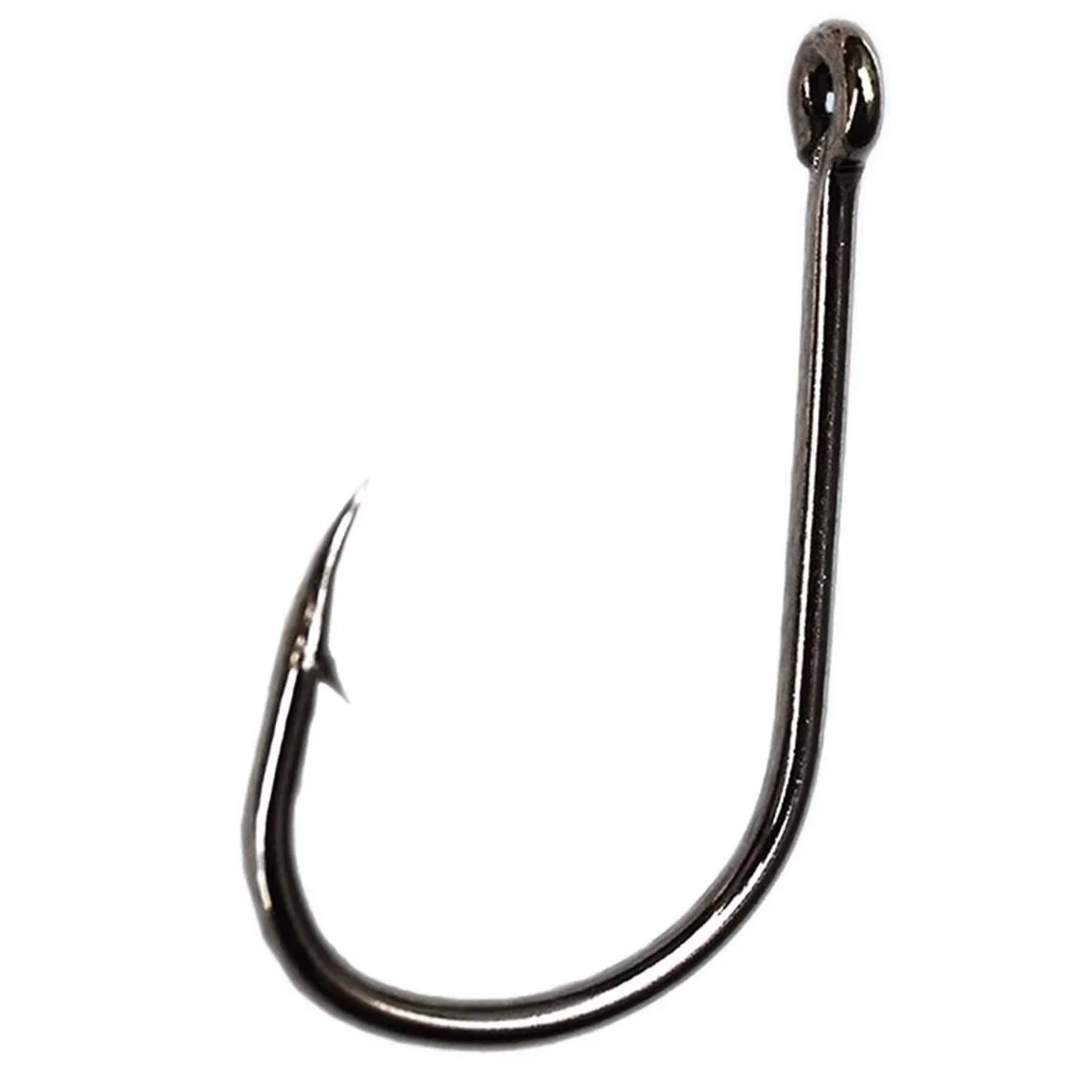
A picture of a fishhook
This is not an original term and I am not aware of who coined it, but I first heard about it from a therapist as I read a string of texts I received throughout the day from an antagonist in the congregation. As I was getting visibly upset and asking out loud, “what do I do about this person!?!” because it wasn’t the first string of texts I received and it wasn’t the first time my therapist was hearing about this person, she stopped me and said “your realize he is throwing a fishhook your way and you are taking the bait?” It gave me a lot of pause in that moment and it became a life changing view.
Antagonists in the church know how to get under our skin. They have figured out what buttons to push and how to push them. One of the most common ways antagonists push buttons is through the use of fishhook messages. These are messages where you, as pastor, feel the immediate need to respond. They charge you up and get your blood boiling, such as the bulk email. Instead of talking directly to you, the person chooses to go wide immediately because the person wants you to react. The person wants to shame or humiliate to a wide audience. It is a way of challenging leadership. If you, as leader, react then the antagonist knows they have power over you and will continue to use that power to antagonize.
The open phone message or text is another method- “Could you call me pastor? I am upset.” Do you see the hook? Immediately you are placed on the defensive and if you want information, you must initiate the call. A non antagonist would call, explain the situation and talk to you directly. This fishhook puts all the responsibility of conversation upon you instead of it being on them. If you don’t call in a time that the antagonist feels is satisfactory, you will be blamed. If you call right away, the antagonist knows they hooked you and will do it again. If you don’t call at all, well we can figure out how that goes.
It seems a non win situation for you, unless you set up boundaries for yourself and don’t take the bait.
How might we respond to the text or message? “Hi, I’m sorry I am not available right at this moment, if you wanted to set up a time to speak, please let me know. We can meet in my office or over coffee. If it is more immediate, this is a time you can call me and I will set aside an hour for the conversation.” Giving a time limit is another boundary setting moment for another time.
If it is a block email, a boundary could be, “I’m sorry you feel this way, I have some time to discuss this in person at this time. We can meet in my office and we can invite the council president if you feel this is something we cannot discuss together.”
These are certainly not the only ways and there are a wide variety of responses. The goal though is to not take the bait and get hooked. Other techniques can be learned and discussed through coaching. If you would like to set up a time to talk together, please reach out. I would love to work with you.